Navigating Disagreements with Your Teen
You're in the car on the way home from a family dinner, and your teenager has decided now is the time to bring up a topic you two don't see eye to eye on. It's one of those conversations that starts with a casual comment and quickly escalates into a disagreement. As you drive, you notice they're getting more heated, crossing their arms tightly and staring out the window. You feel the tension rising, and you know that how you handle this could either open the door for future conversations or slam it shut.
Disagreements with your teenager can feel like navigating a minefield. You want to be firm but not overbearing, supportive but not passive. It's important to recognize that a disagreement isn't a failure. It's an opportunity to understand each other better and to teach your teen how to handle conflict constructively.
First, acknowledge their feelings. It's easy to jump directly into the facts or your perspective, but starting with empathy can change the entire tone of the conversation. Try saying something like, "I see that this is really important to you," or "I understand why you feel that way." This doesn't mean you agree, but it shows them that you're listening and that their feelings matter.
Next, ask open-ended questions. Instead of leading with statements about what you think or what you believe is right, prompt them to elaborate on their viewpoint. Questions like "Can you tell me more about why you feel this way?" or "What experiences have led you to this belief?" not only convey your genuine interest but also encourage your teenager to think critically about their position.
While listening, practice patience. Allow them to express themselves fully without interruption. It can be challenging to hold back, especially when you strongly disagree, but giving them the space to articulate their thoughts without cutting them off is crucial. Sometimes, simply being heard is enough to diffuse their frustration.
Once they've had their say, share your perspective calmly and clearly. Use "I" statements to express your feelings and views, avoiding accusatory language that might put them on the defensive. For example, "I feel concerned when..." or "I believe that..." can help convey your standpoint without invalidating theirs.
In cases where the disagreement is about a decision or a rule, focus on explaining the reasoning behind your stance. Teens are more likely to accept rules or decisions when they understand the 'why' behind them. This transparency builds trust and helps them see you as fair and considerate, even if they don’t always agree.
Finally, agree to disagree if necessary. Not every disagreement will end in consensus, and that's okay. It's important for your teenager to learn that differing opinions can coexist without jeopardizing the relationship. Reassure them that disagreement doesn't diminish your respect for them or your willingness to hear their thoughts in the future.
By approaching disagreements with empathy and openness, you create a foundation of trust and respect. This approach not only helps you navigate conflicts but also equips your teenager with valuable skills for managing disagreements in all areas of their life. For more insights on maintaining open communication and understanding with your teenager, you might find "Understanding Teen Silence and Rebuilding Conversations" helpful in fostering a more connected relationship.
The Response Training Series
Short, honest workbooks for teens who can't stand workbooks — a trilogy, one feeling at a time.
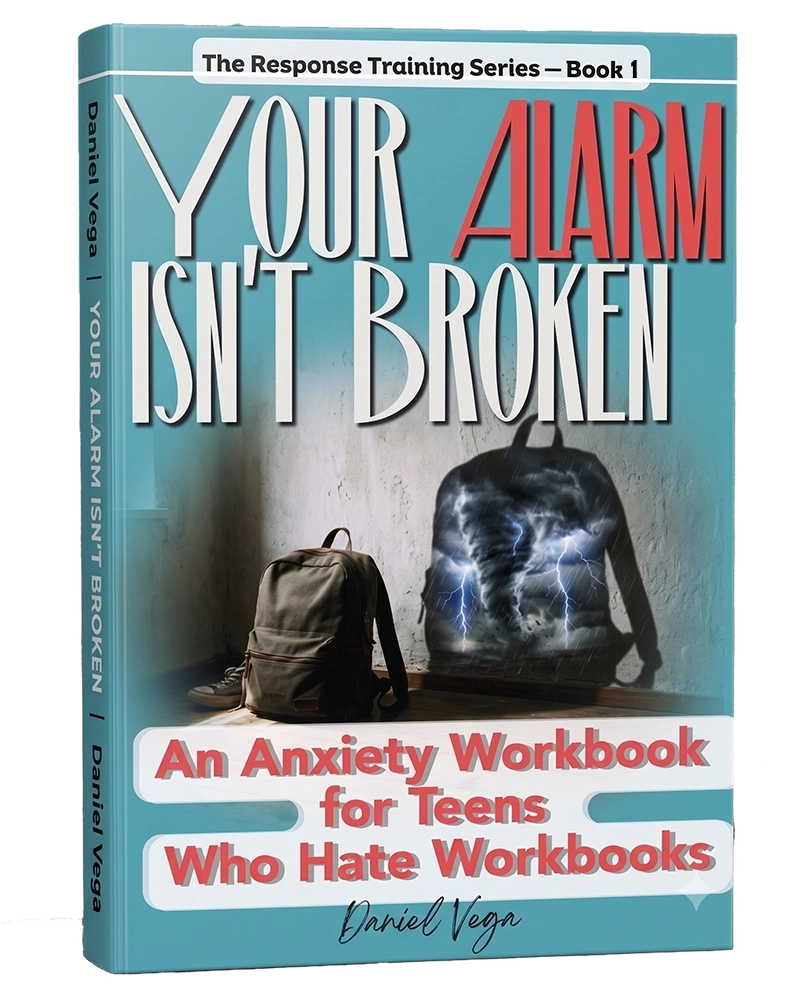 The Response Training Series — Book 1
 Your Alarm Isn't Broken
An Anxiety Workbook for Teens Who Hate Workbooks
Buy from $14.99
 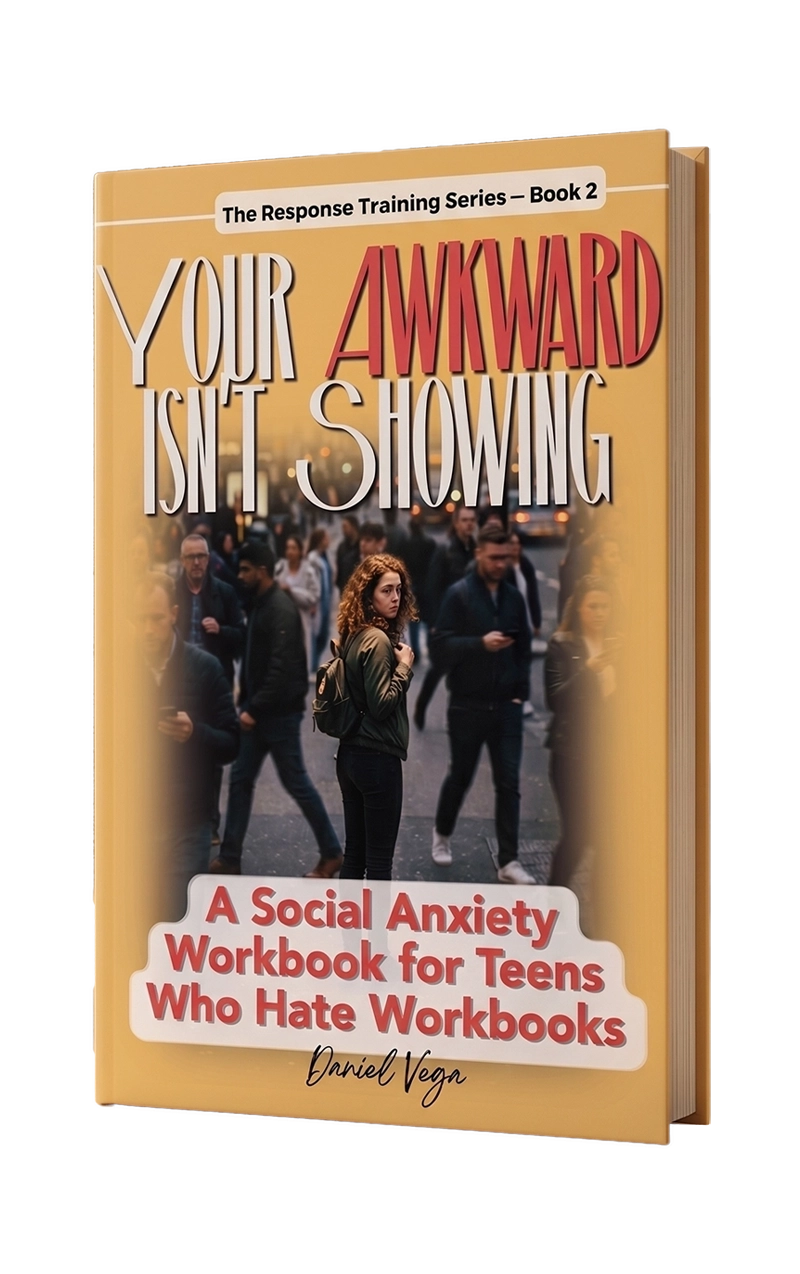 The Response Training Series — Book 2
 Your Awkward Isn't Showing
A Social Anxiety Workbook for Teens Who Hate Workbooks
Buy from$14.99 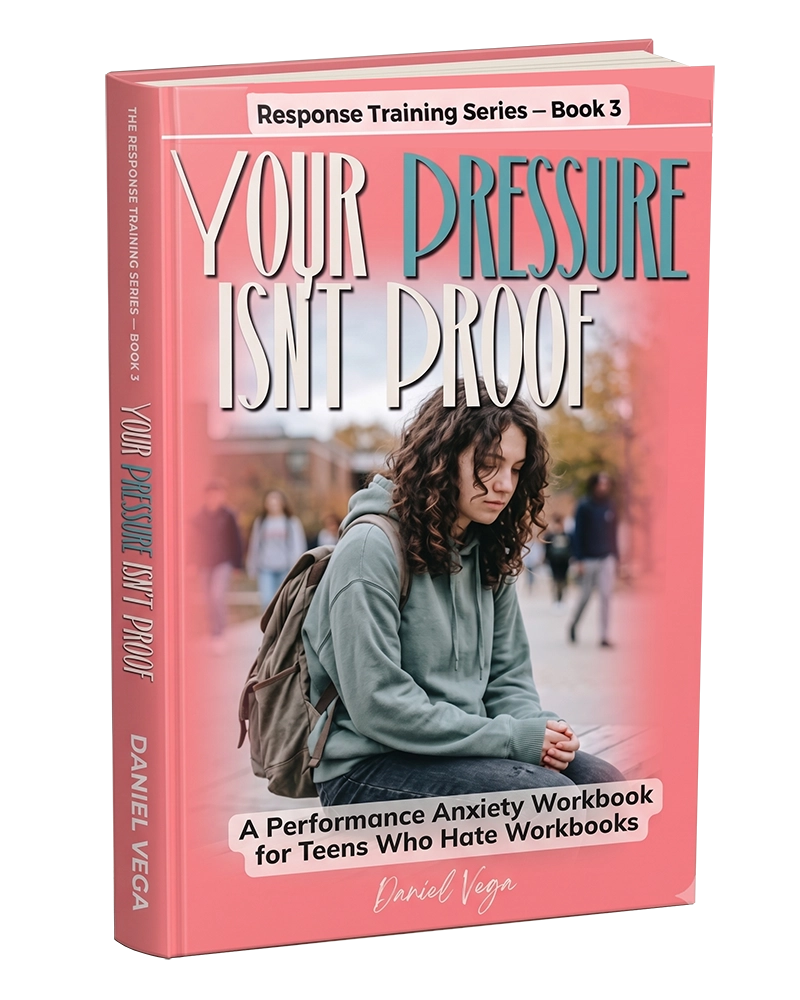 The Response Training Series — Book 3
 Your Pressure Isn't Proof
A Performance Anxiety Workbook for Teens Who Hate Workbooks
Buy from$14.99 Get the free toolkit
One page, six tools your teen can use the moment anxiety spikes. Sent straight to your inbox.
No spam, ever — just the toolkit and the occasional good word.